
Parenting and Horror
Trigger warnings: postpartum, survival, mental health, horror, scary, parenting, unknown, fear
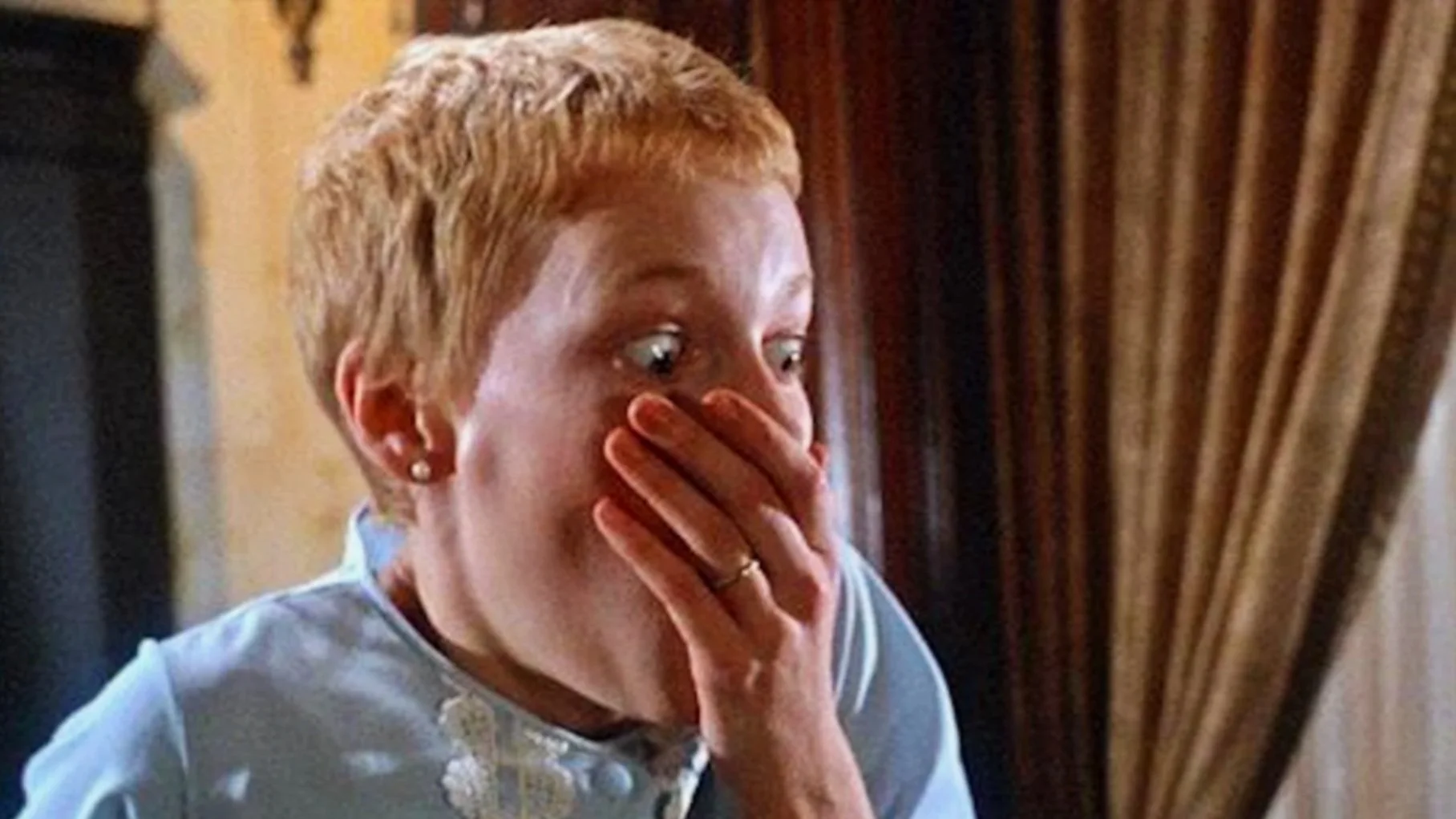
Rosemary’s Baby, 1968
Parenting is probably one of the most awe-inspiring and terrifying journeys we still go on consistently. From pregnancy, to childbirth, to raising a whole human; it is not for the weak. It fundamentally changes caregivers brain structure (Wadman, 2016) and this can last up to two years (if not longer). Social cues? What’s that? Sarcasm? Never heard of her! The theory is that the brain does this to effectively trim down anything not concentrated for looking for threats in the environment. This isn’t a negative thing, it is an adaptation to the situation. And hopefully it’s within a supportive environment and with supportive (actually supportive, not just how they think they should be supportive) people around you.
The stats with pregnancy related mental health concerns according to (Med-Peds, 2022) are as follows:
Postpartum depression - Effects 10-25% for mothers and 10-15% of fathers
Postpartum anxiety -Effects 10-20% and is more likely if somone has had anxiety or had anxiety earlier on in the pregnancy.
Postpartum Psychosis - Effects 1-2/1000 births. This is the least talked about diagnosis and should be treated as soon as possible.
Baby Blues - Effects 30-80% of parents at some point experience this. Baby blues are normal to feel and differs from the more severe mental health symptoms of postpartum symptoms/diagnoses.
Having a robust support system, taking care of yourself medically/physically/emotionally, getting outside the home, allowing all the time to heal and rest are important which can be difficult in this isolating, capitalistic hellscape of ours. Don’t even mention the tsunami of unsolicited advice and horror stories that people seem to drown you in as well. A big lesson, especially for first time parents, is figuring out what works for you and being confident in that. Don’t internalize advice from others that don’t share your same values or priorities.

Building healthy community can buffer resiliency
There is a reason people say “it takes a village”; just make sure the village is healthy
A lot of horror movies with parenting themes include losing control, isolation, not being able to face our own ‘demons’ and passing them down to our children, what if my child has no empathy and becomes a serial killer, and/or something bad happening to them or even them being replaced (The Changeling theme heavy in Irish folklore (Irish Post, 2021)). These things do happen (some of them exceedingly rare like Antisocial Personality Disorder which affects 0.2-3.3% of the population (American Psychiatric Association, 2013) and is usually due to several layered factors) and as parents we have to actively and consistently work against it. And as our kids grow up, knowing when we need to loosen control so they can gain more independence, when we need to step in, when we need to be available (spoiler alert: we can’t be available all the time as kids are older and that’s usually ok!).
There is a term called ‘good-enough parenting’ (American Psychological Association, 2024) and the research shows that we need to show up (be present and attuned) for our kids is roughly 20% of the time for them to be balanced and healthy as adults. Of course, depending on what is going on with our kids this might be more and at times will be but there is a pressure for a lot of parents to show up 200% of the time. Not only does this give us breathing space, if we show up all the time the terms helicopter parent or lawnmower parent can be applied and even hinder development. We all need to make mistakes to learn. As long as safety isn’t in question, this world is meant for exploring!
The article goes on to say:
“None of the relationships we have should involve being victimized, taken advantage of, being abused. None of the relationships we have should involve not trying to convey a message of acceptance to the people we love and care about. And none of the relationships we have should involve abandoning what our core values are, how we carry ourselves. So you want to bring all those relationship components to the parent-child relationship, not just because it's a parent-child relationship, because that's what it means to have a healthy relationship.” - Dr. Cavell (American Psychological Association, 2024)
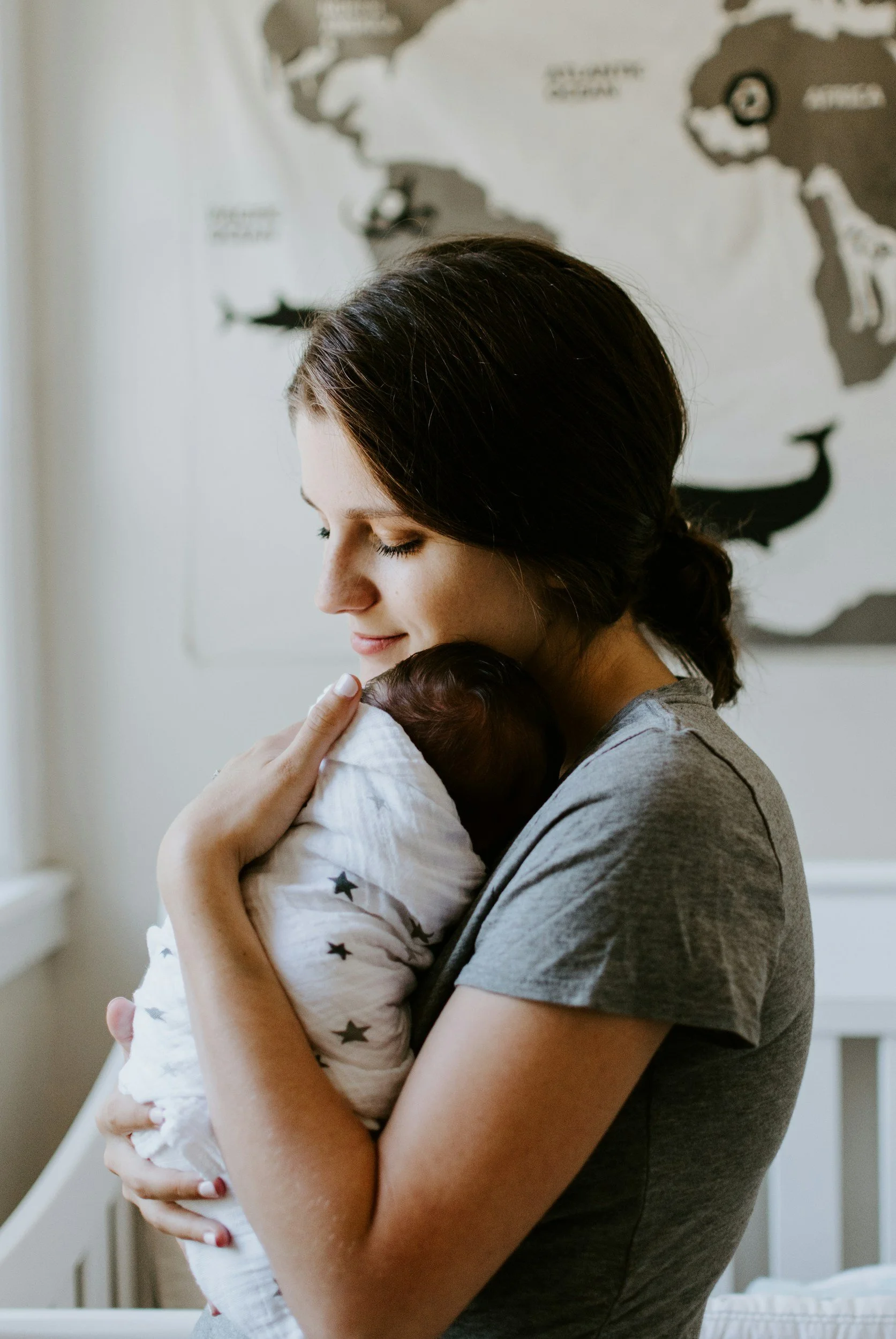
The important components of parenting:
Acceptance & Attunement
Containing
Values work
I like to describe forming and cultivating healthy attachment and healthy parenting as the child being able to explore and knowing they have a safe base to return back to, like a beacon of safety or a port if the seas get too stormy. This also is the basis of adult relationships and attachment theory 101 (secure, anxious, avoidant, disorganized; another post for another horror-themed time).
Parenting is also a hormone roller-coaster, yes even after the birth and a magnifying glass into how you want your inner and outer world to look for this tiny human you’re raising. A lot of parents want to make the world a better, safer, more accepting place and how we go about doing that is an adventure in humbling side quests and a boot camp in radical acceptance as well as flexibility (hopefully). Things go wrong but they also go right. There will be rupture but it will lead to constructive repair (Braman, MACP, & LMHCA, 2021) which is the meat of having healthy relationships/attachment. If we have a consistent and scary pattern of rupture, as caregivers it is our job to look at that and figure out better ways to be so we don’t pass that down to our kids. So yes, parenting is a massive responsibility if we choose to undertake it and can be very rewarding at the same time.
I always say that it is hugely understandable why people choose not to have kids as well and can be an impressively mature decision someone makes.
SO to sum it up; deciding to become a parent or not is multi-layered, terrifying, complex, complicated, beautiful, at times dreadful, and important stuff. It should also be cheaper; for real, like what the hell United States (potentially another horror & mental health themed post)?!
As always know your limits and take care of yourself first & here are some suggestions for movies and games:
Horror movies about this (that you probably shouldn’t watch if the subject gives you anxiety already): The Babadook, Hereditary, Mama, Rosemary’s Baby, The Omen, The Changeling, Men, Mother, Eraserhead, The Exorcist, A Quiet Place, Inside, Coraline
Horror games: Among the Sleep, Bramble The Mountain King, Little Misfortune, Fran Bow, Limbo, Little Nightmare 1 & 2, Glyt, What Remains of Edith Finch, Out of Sight, Mothered, The Last of Us
References
American Psychiatric Association. (2013). Diagnostic and statistical manual of mental disorders (5th ed.). Arlington, VA: American Psychiatric Publishing.
American Psychological Association. (2024). Speaking of psychology: Why you should aim to be a “good enough” parent, with tim cavell, phd, and lauren quetsch, phd. Retrieved April 28, 2025, from Apa.org website: https://www.apa.org/news/podcasts/speaking-of-psychology/parenting
Braman, A. L., MACP, & LMHCA. (2021, July 28). Illustration: Rupture & Repair Are Key to Attachment in Healthy Relationships - LindsayBraman.com. Retrieved from Lindsay Branam website: https://lindsaybraman.com/rupture-repair-attachment/
Irish Post. (2021, December 22). Exploring irish mythology: Changelings. Retrieved April 28, 2025, from The Irish Post website: https://www.irishpost.com/life-style/exploring-the-irish-mythology-changelings-170347
Med-Peds, B. (2022, January 13). Postpartum Depression: So Common, Yet So Commonly Missed | BROWN MED-PEDS RESIDENCY. Retrieved June 11, 2026, from Brown Med-Peds website: https://brownmedpedsresidency.org/postpartum-depression/
Minkin, R., & Menasce Horowitz, J. (2023, January 24). Parenting in america today. Pew Research Center. Retrieved from https://www.pewresearch.org/social-trends/2023/01/24/parenting-in-america-today/
Nakić Radoš, S. (2018). Anxiety during pregnancy and postpartum: Course, predictors and comorbidity with postpartum depression. Acta Clinica Croatica, 57(1), 39–51. https://doi.org/10.20471/acc.2018.57.01.05
NAMI. (2023, February 24). Children should not have to be resilient. Retrieved April 28, 2025, from NAMI website: https://www.nami.org/family-member-caregivers/children-should-not-have-to-be-resilient/
Prange-Morgan, C. (2022, August 1). Why “good enough” parenting is better than perfection | psychology today. Retrieved from www.psychologytoday.com website: https://www.psychologytoday.com/us/blog/full-catastrophe-parenting/202208/why-good-enough-parenting-is-better-perfection
Wadman, M. (2016, December 19). Pregnancy resculpts women’s brains for at least 2 years. Retrieved June 11, 2026, from www.science.org website: https://www.science.org/content/article/pregnancy-resculpts-women-s-brains-least-2-years
